
Pets have a habit of taking up rather more of our homes than we initially expect.
There are beds in corners, leads by the door, food bags in cupboards, bowls on the floor, litter trays we would rather not look at and if you own a dog, quite possibly a collection of muddy towels somewhere near the entrance. I know this from experience, having shared my home with a dog and two cats, pets have always been part of the way I think about a home.
And I think that is the important bit.
Rather than designing a beautiful space and then working out where all the pet paraphernalia is going to live afterwards, I prefer to consider pets as part of the design from the beginning. Because a pet-friendly home doesn’t have to look like a home designed around pets, it needs to work for them too.
Make them part of the brief
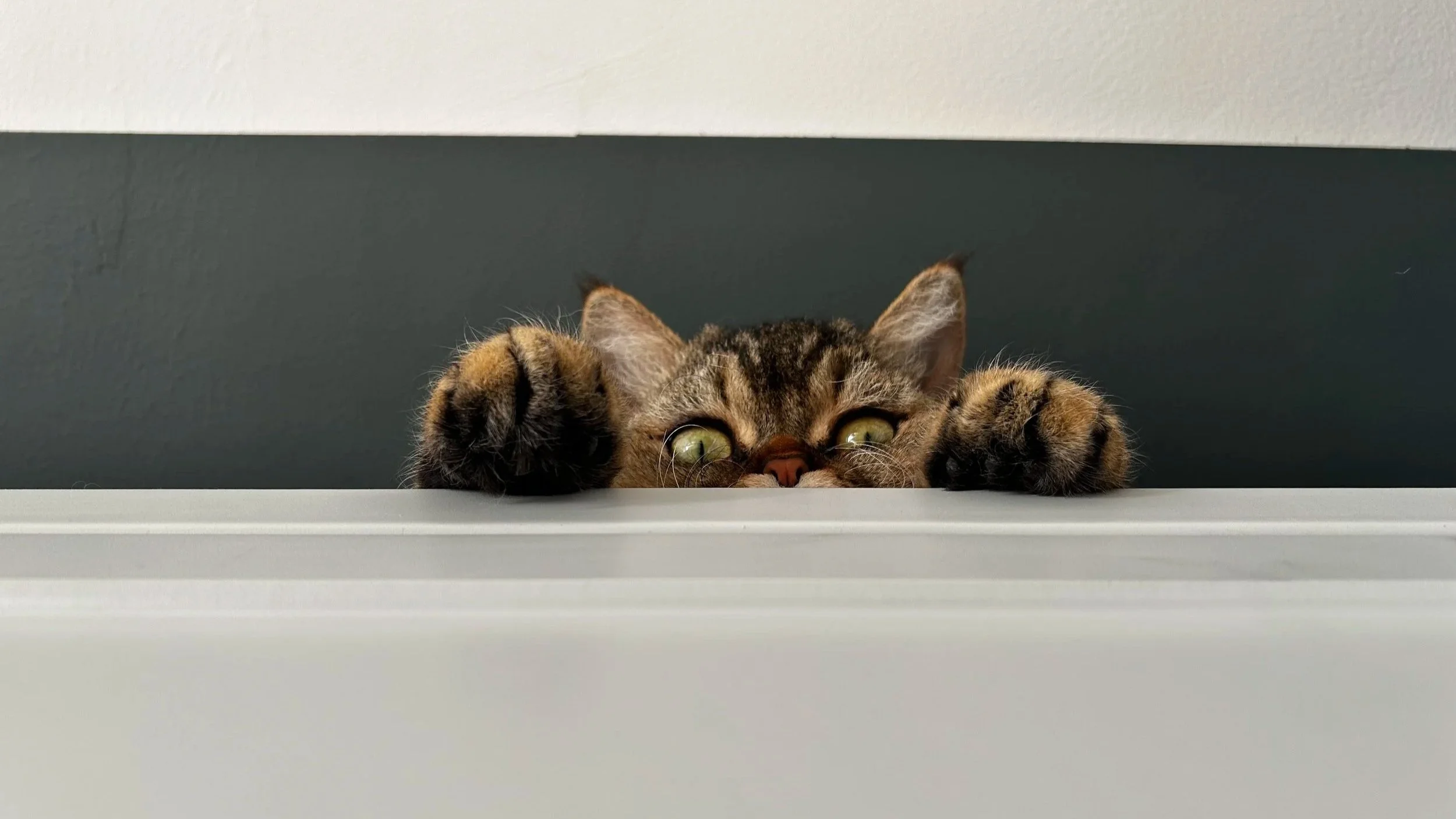
When I start thinking about how a home should work, I don’t just consider the people living there. If there is a dog, where will they sleep? Where will their food be stored? Where do leads, coats and towels live? What happens when they come home covered in mud? If there are cats, where will the litter tray go? Where do they eat? Are there places they naturally want to climb, sit or watch what’s happening?
These might sound like small details, but collectively they can have quite an impact on how a home feels day to day and when they aren’t considered early enough, they tend to become problematic afterthoughts. The dog bed gets squeezed beside a kitchen unit. The litter tray ends up somewhere nobody particularly wants it. A huge bag of food lives permanently on the utility room floor, getting in the way and having to be moved everytime you want something!
None of these things are disastrous, of course. But good interior design is often about solving dozens of small everyday frustrations, as much as it is about creating something beautiful.
Give everything a place
One of the simplest ways to make living with pets easier is to build their things into the storage plan. Food, treats, leads, harnesses, grooming equipment, towels and litter all need somewhere to live. Rather than finding spare cupboards for them afterwards, I like to think about where those things are actually used.
A drawer or cupboard near the entrance can hold leads, dog bags and towels. Pet food can have a dedicated storage near the feeding area and if you’re planning bespoke cabinetry, there are opportunities to integrate some of the less attractive necessities too. A litter tray, for example, can be concealed within a ventilated cupboard with discreet cat-flap access. The cat still has an easily accessible, private place to use it, while the room doesn't have to be dominated by a plastic tray and a bad smell!
It’s not about pretending you don’t own pets, it’s about making their needs feel considered rather than temporary.
Think beyond the bowl on the floor
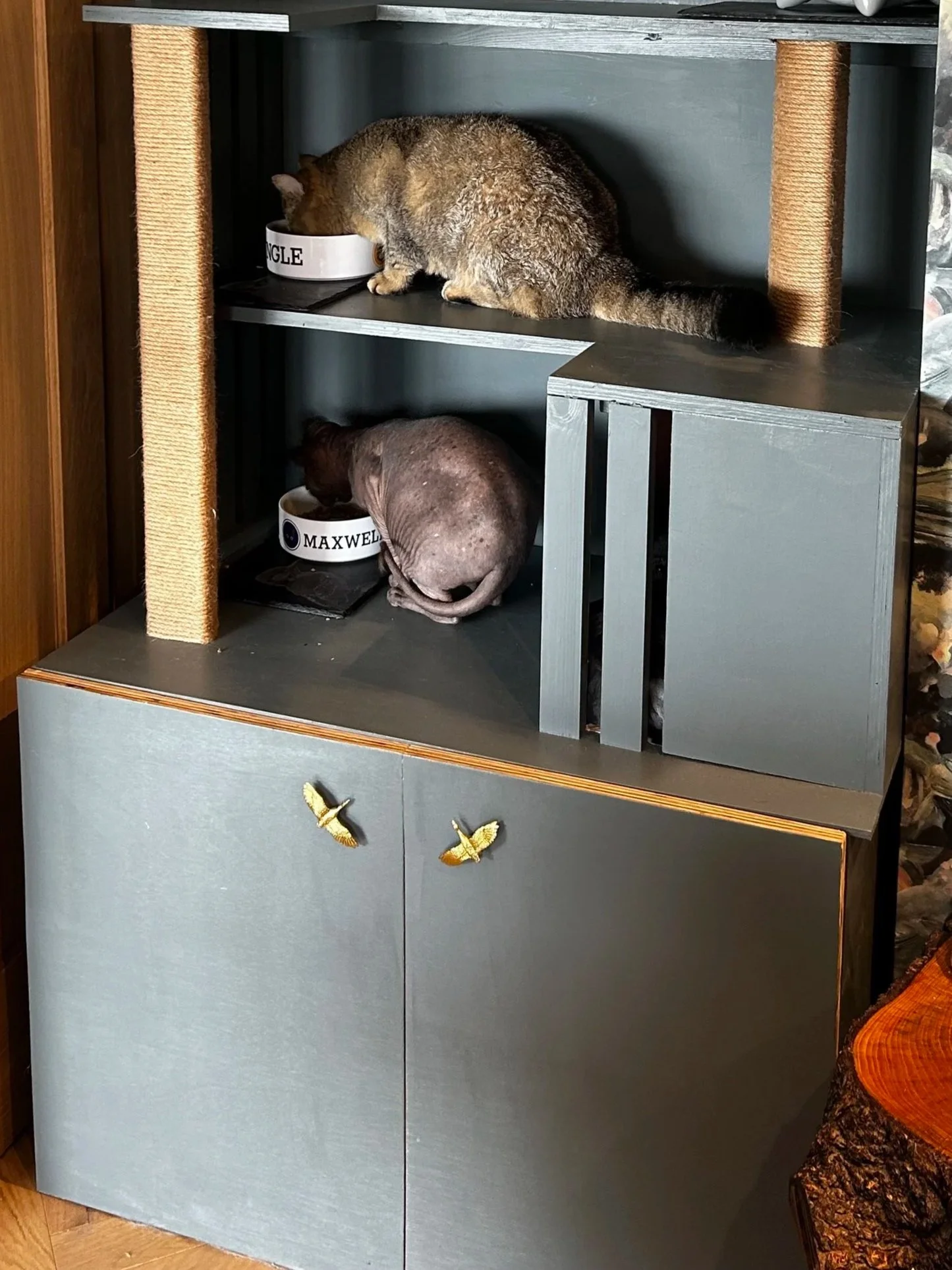
Feeding areas are another detail that can be designed more thoughtfully. For some pets, bowls on the floor are absolutely fine. But depending on the pet and the space, an integrated or slightly raised feeding station can create a much tidier solution.
It might sit at the end of a run of cabinetry, within a utility room or as part of a boot-room arrangement. Food can be stored immediately above or alongside it, rather than halfway across the house.
Again, it is a very small piece of planning that makes everyday life easier and that’s really what good spatial planning is about.
Plan for mud before the mud arrives
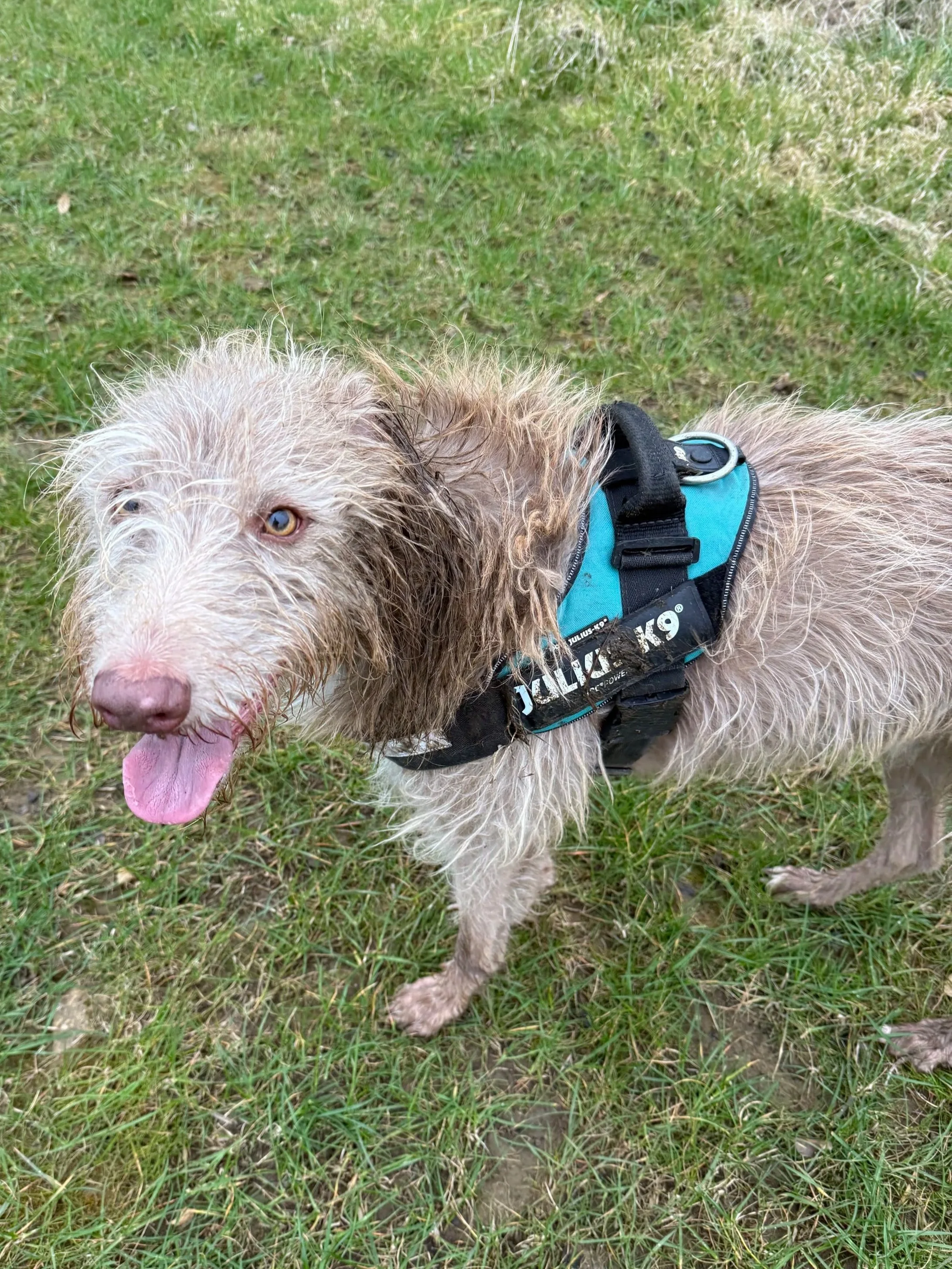
If you’ve ever shared your home with a dog, you’ll know there is one particular design consideration that becomes very important in the drizzly UK:
Mud.
If the layout allows it, I love the idea of creating an entrance where the dog doesn’t have to walk through the main house after every wet winter walk. A boot room, utility space or downstairs washroom close to an external door can make an enormous difference.
A small shower or wash area means muddy paws (or worse) can be dealt with immediately. Towels, leads and outdoor equipment can all live nearby and hardwearing flooring can be chosen for the area. Suddenly the practical part of owning a dog has been contained within one properly planned space rather than extending from the back door to the kitchen and beyond.
For anyone renovating or extending a home, these are exactly the sorts of details worth considering while the layout can still be changed.
Choose materials for the pets you actually have
Pet-friendly design is not only about layout.
The colours, fabrics, flooring and window dressings you choose can make just as much difference to how well a room wears over time. This is where being realistic about your own pets matters.
If you have a dog that comes in from muddy walks, a pale, delicate carpet in the main entrance may not be the most forgiving choice.
If you have cats, the questions can be quite different.
Do they sit at the window every day?
Do they climb curtains?
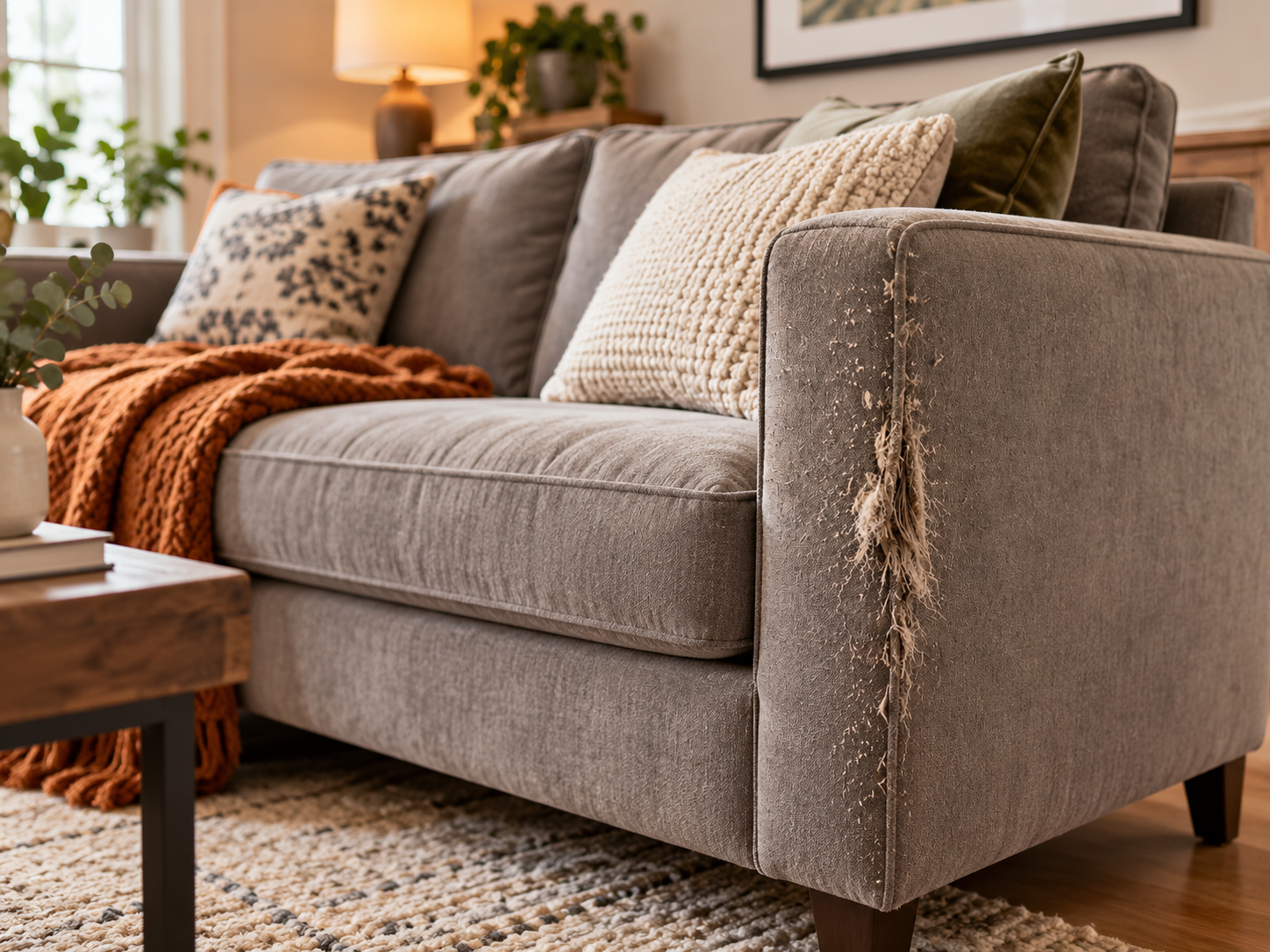
Do they scratch upholstery?
Would you rather regularly clean pet hair from fabric curtains, or choose a blind or shutters that are easier to wipe down and less tempting to climb? There is no single right answer. The point is to think through the behaviour of your own pets before you specify the finishes.
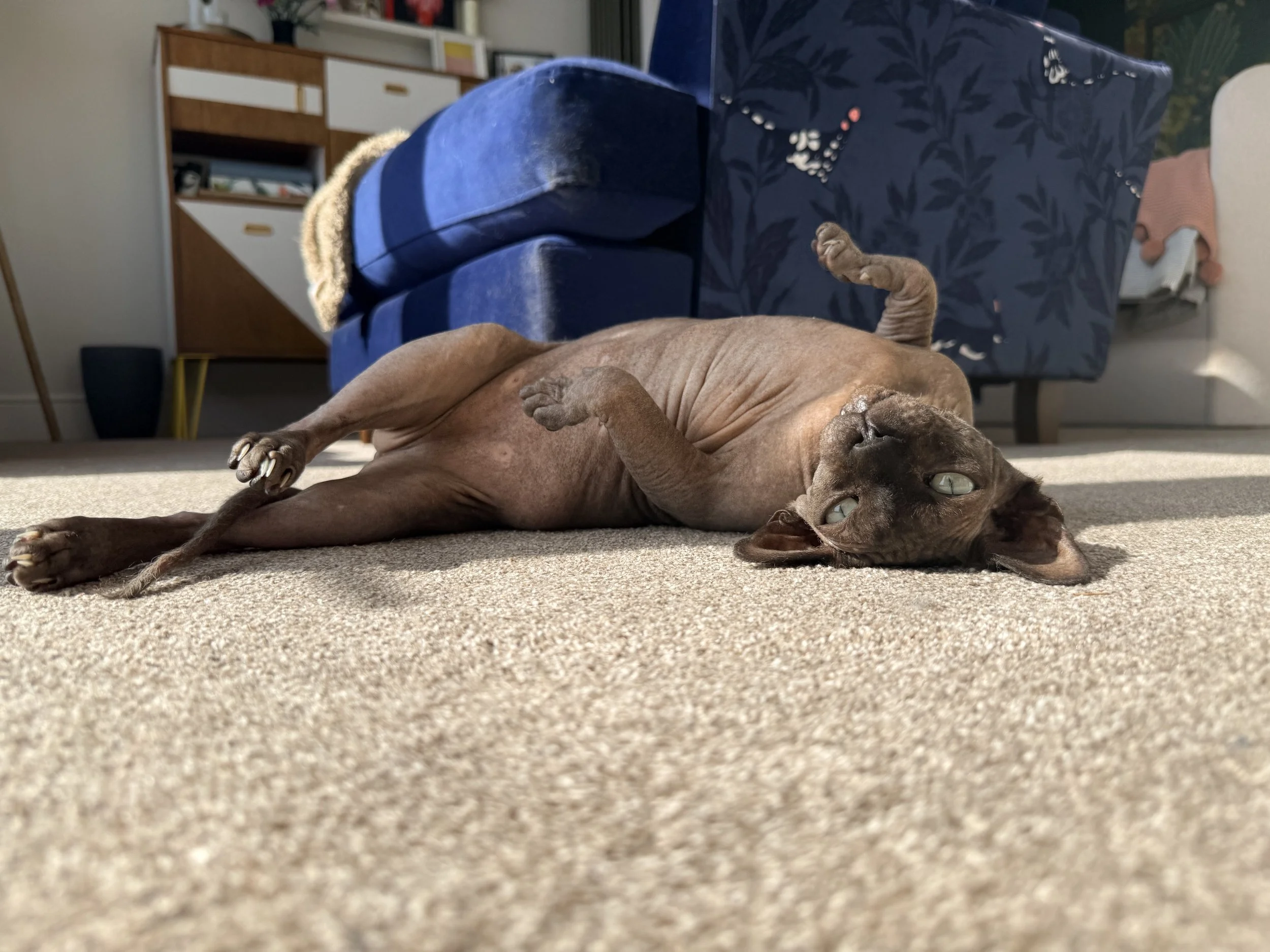
Carpet is another good example. Some loop-pile carpets can be problematic in homes with cats because claws can catch in the loops and pull the fibres, leaving visible damage surprisingly quickly.
A different construction can often be a much more practical choice while still giving you the softness and warmth you want.
The same applies to upholstery. Some fabrics are much more forgiving of claws, hair and everyday wear than others. Tighter weaves and more durable finishes can often be a better choice than anything very loose or heavily textured. Protective fabric treatments can also help some upholstered furniture cope better with spills, dirt and day-to-day pet life.
And then there is colour! A beautiful fabric that shows every single hair from your cat or dog may become frustrating very quickly. Choosing certain tones or going with a pattern can sometimes make maintenance feel much easier. That does not mean designing your entire room around the colour of your dog. It simply means acknowledging reality.
A home can still be elegant, tactile and full of character while using materials that are better suited to the way it is actually lived in and there is another benefit to making those decisions early. You are far less likely to spend the next few years becoming irritated with your pet for doing exactly what they have always done. If you know your cat scratches, sheds or sits at the window, design with that behaviour in mind. If you know your dog brings half the countryside home after every walk, plan for that too.
Good design can protect both your furniture and your relationship with your pet.
Cats don’t need a carpet covered climbing frame
Cats bring their own design challenges.
They like height, they like shelves, they like windows and they like sunlight!
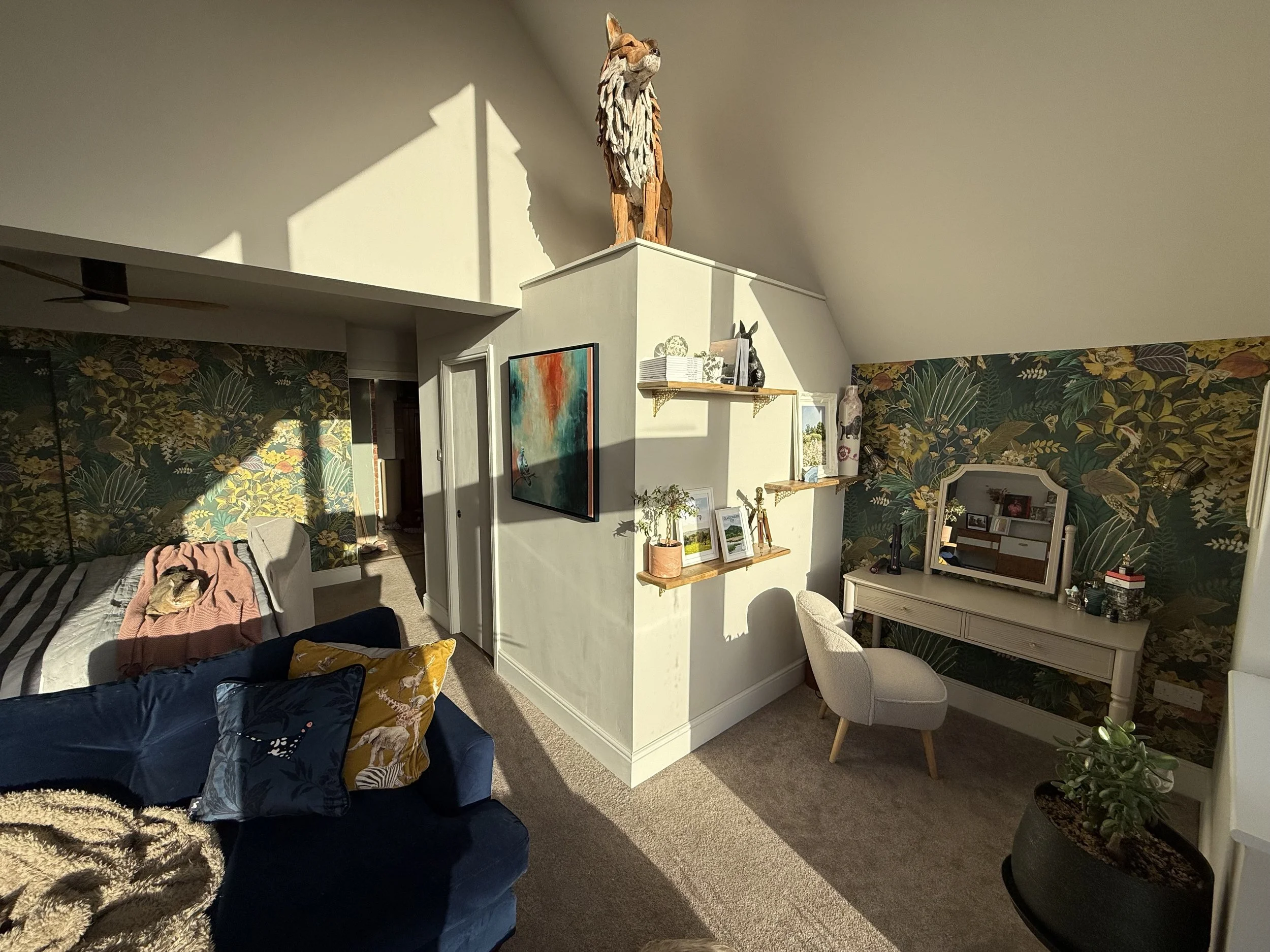
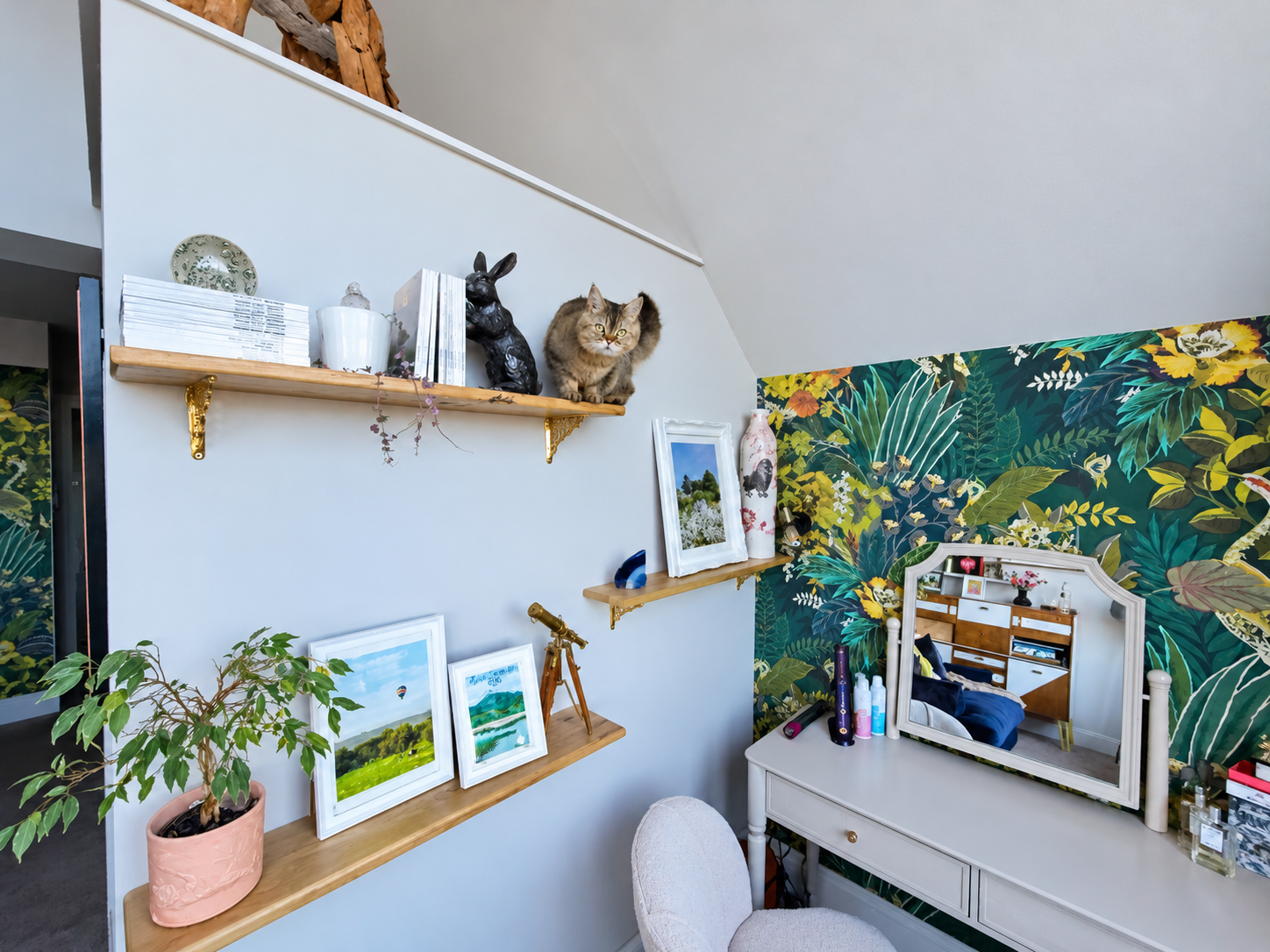
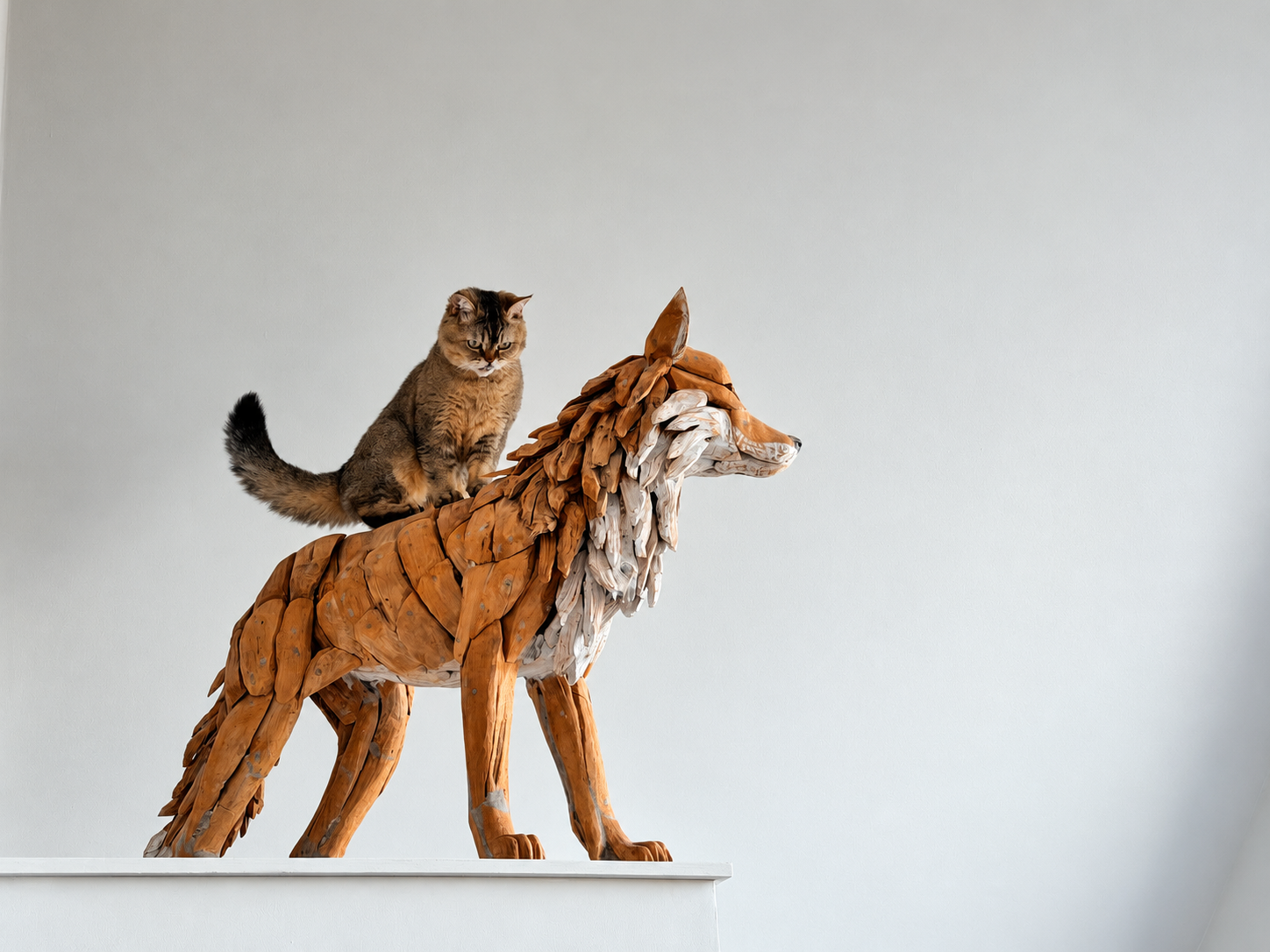
…… and they have an impressive ability to decide that the one surface you hadn’t intended them to occupy is, in fact, theirs. But creating an interesting environment for a cat doesn’t necessarily mean installing an obvious cat climbing system across the living room wall. The architecture and furniture of the room can do some of the work instead. Thoughtfully positioned shelving can create opportunities to climb and perch while still looking like part of the interior.
A window seat might become a favourite lookout, a run of cabinetry can offer an elevated route through a room. Even furniture placement can make it easier for a cat to move through a space in the way that comes naturally to them. The trick is to think about how your cat will use the room without making the room look as though it was designed exclusively for them.
And then there’s the dog bed….
Dog beds are often treated as something to find space for once everything else is finished. But some of them are enormous. If you know a large dog bed needs to live in the kitchen, utility room or living space, it makes sense to allow for it when planning the layout. That might mean creating a recessed space beneath cabinetry, leaving a purposeful area beside a piece of furniture or simply making sure it isn’t going to sit permanently in a walkway.
A bed that has been allowed for, feels completely different from one that has been squeezed into the only space left and the dog is usually rather happier with the arrangement too.
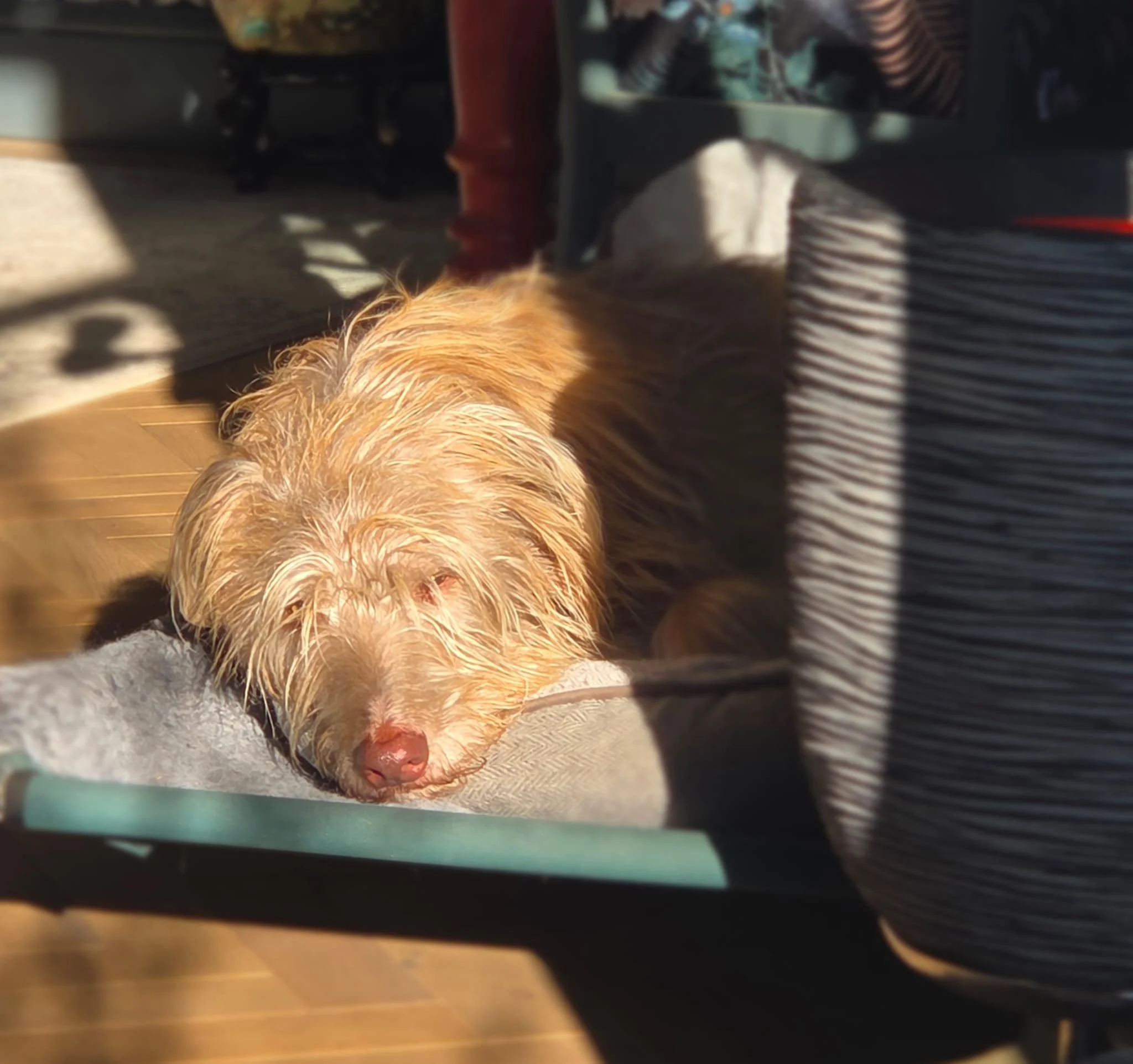
Pet friendly doesn’t mean compromising on a beautiful home
I think this is probably the misconception I would most like to challenge. Designing for pets doesn’t mean accepting that your home can’t be beautiful, having said that, nor does everything have to be hidden.
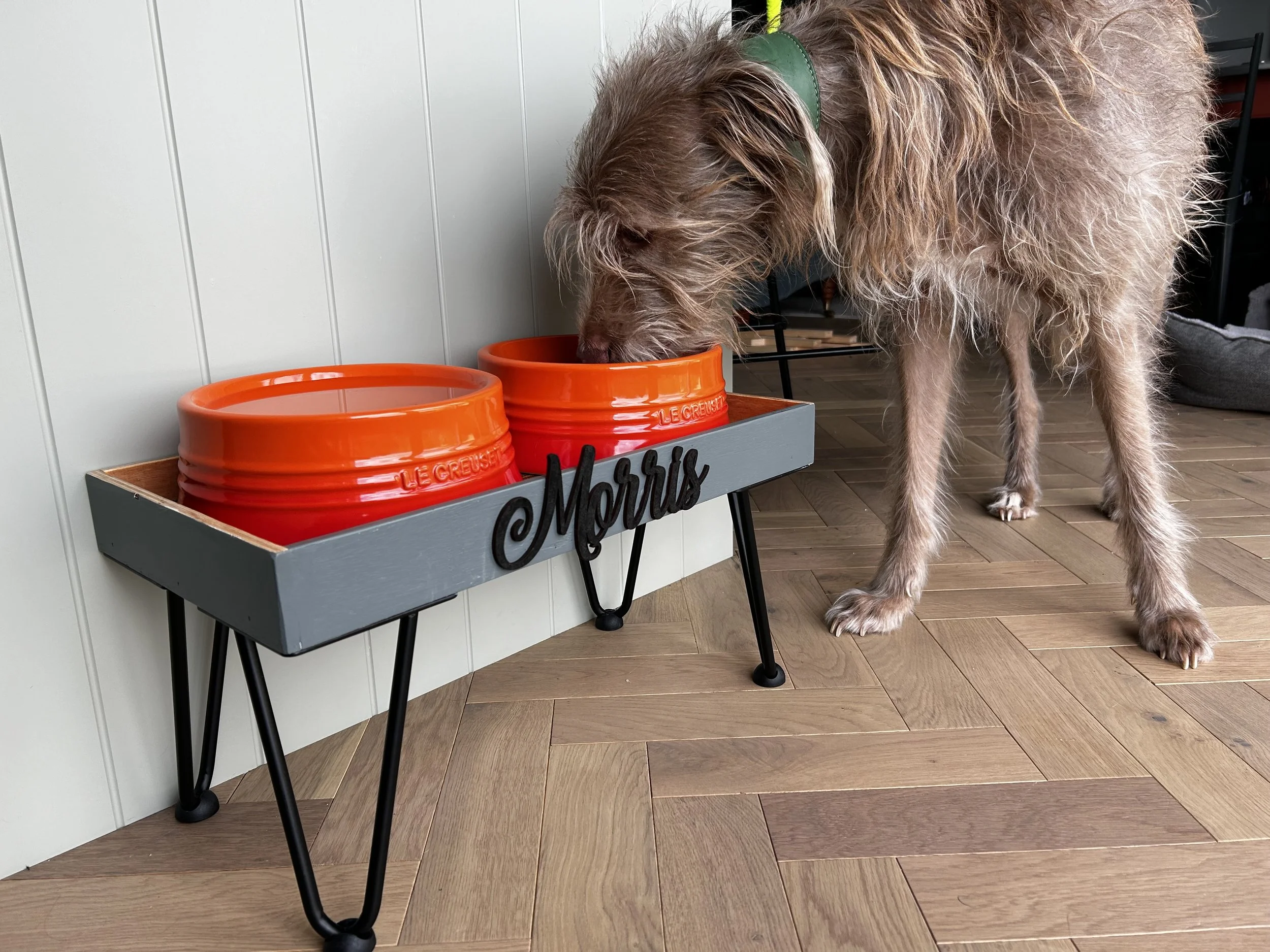
There is nothing wrong with seeing a beautiful dog bed, a set of bowls or the evidence that an animal lives there.
They are a part of the family, after all. The aim is simply to make those things feel intentional.
Choose materials that work for the reality of your household. Give everyday items somewhere sensible to live. Think about how everyone moves through the space, including those on four legs and solve the practical problems at the planning stage rather than trying to disguise them afterwards.
The result isn’t a house where nobody would ever guess you have pets. It’s a beautiful home that happens to work exceptionally well for the people and pets who live there. And, ideally, some very happy pets too.